
Speedy Cash vs Check Into Cash: Title Loan Lender Comparison Guide
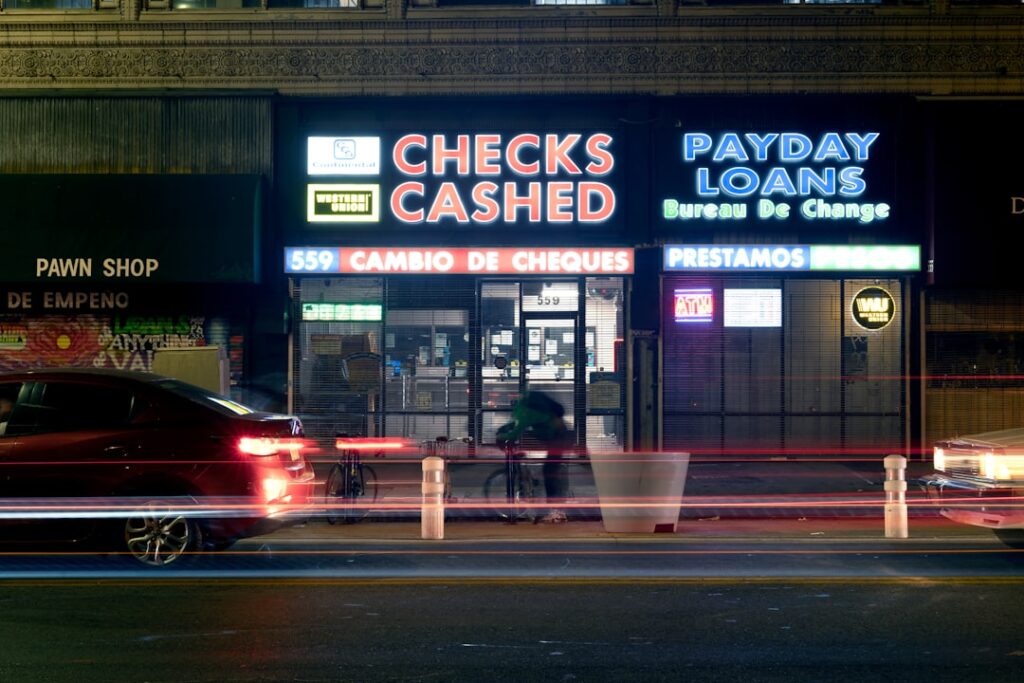
Speedy Cash and Check Into Cash often have stores in the same strip mall, and both offer short-term loans that can include a title loan. If you’re weighing speedy cash vs check into cash for a loan against your car, the useful questions are practical ones. Does either offer title loans in your state? What steps can you do online? What will the loan cost in total? This guide from Auto Cash Title Loans, an informational site and not a lender, works through each question and lists the checks to run before you sign.
Part of our Lender Reviews guide →
The two lenders in brief
Check Into Cash is one of the older names in storefront short-term lending. It was founded in 1993 in Cleveland, Tennessee, and grew from payday loans into installment and, in some states, title loans. Speedy Cash began in Wichita, Kansas in the late 1990s and followed a similar path, adding installment loans, lines of credit and title loans where state law permits. Its ownership has changed in recent years, so check the legal lender name on any agreement.
Both companies started in payday lending, so title loans are one product among several, not their whole business. That affects your experience. A store may push you toward whatever product it can offer in your state, which may not be the one you came in for.
Where title loans are actually available
Having a store nearby doesn’t mean that store offers title loans. Each company can only make title loans in states that allow them and where it holds the right license. Roughly half of states permit car title lending in some form. States such as New York, New Jersey and Massachusetts effectively shut it out through rate caps or outright bans.
- Check each lender’s website for the products offered in your state, not just store locations.
- Confirm the license with your state financial regulator’s lookup tool.
- Ask the store directly whether it makes title loans, or only payday or installment loans.
Coverage changes as state laws and company strategies shift, so a list of states copied from another site may already be out of date.
Online vs in-store application
Both lenders take online applications for at least some products. For a title loan, though, expect at least one in-person step in many states, usually a vehicle inspection and document check at a store. Starting online can cut the paperwork, but it usually won’t remove the visit.
Funding methods vary by location and state. Stores may pay by cash, check or debit card, and online funding usually goes to your bank account. Ask when the money will actually be available to you, not just when you’ll be approved.
Product mix compared
The two product menus look more alike than different. Depending on the state, either company may offer:
- Payday or deferred-deposit loans
- Installment loans
- Lines of credit, more often at Speedy Cash
- Vehicle title loans
- Check cashing and other store services in some markets
When one company offers both payday and title loans, keep the costs separate in your mind. Our article on the overlap between title and payday lending explains why stacking these products can be dangerous.
How pricing is set
State law sets the boundaries. In states with strict caps, lenders tend to price near the legal maximum. In states with looser rules, pricing is up to each company. Title loans across the industry often cost around 25% of the loan amount per month, which is about 300% APR, while installment structures in capped states can be priced differently. Neither lender publishes one national title loan rate.
The differences that matter usually show up in the details:
- How much each lender will offer against the same vehicle
- Single-payment versus installment terms, and the number of payments
- Origination, lien and late fees
- Whether paying early saves you interest
- How renewals and refinances are priced
Here’s an example of why the details matter. On a $1,000 single-payment title loan with a 25% monthly fee, you owe $1,250 after 30 days. Pay only the $250 fee and renew three times, and you’ve paid $750 without reducing the balance at all. Two quotes with similar APRs can end up costing very different amounts depending on how renewals work.
Ask for the federal Truth in Lending disclosure from each lender before you commit. Compare the finance charge and total of payments, not just the APR. Our step-by-step guide on how to compare title loan offers can help.
Insurance, title and vehicle requirements
Requirements vary by state and lender. You’ll typically need a title in your name, current registration and a government-issued ID. Many lenders also ask for proof of insurance, and some want full coverage with the lender listed as loss payee. Vehicle age and condition affect how much you’re offered. Ask about each requirement up front so you don’t drive to a store only to be turned away.
When each tends to make sense
Speedy Cash may be the more convenient choice if it’s licensed for title loans in your state and you prefer to do more steps digitally. Check Into Cash may suit you better if a store that offers title loans is nearby and you’d rather handle questions face to face. Often the deciding factor is simply which one offers title loans in your state and which written quote costs less overall.
For more on each company, see our reviews of Speedy Cash title loans and Check Into Cash title loans.
What to verify before signing
- Confirm the lender is licensed for title lending in your state.
- Read the Truth in Lending box and make sure the numbers match what you were told.
- Ask what happens if you miss a payment: grace periods, late fees, repossession notice and any right to reinstate.
- Check recent complaints in the CFPB consumer complaint database and look for patterns, not one-off stories.
- Get at least one non-title quote. Federal credit union Payday Alternative Loans are capped at 28% APR.
Keep the risks in view. CFPB research on single-payment title loans found that most were renewed rather than repaid, and about one in five loan sequences ended in repossession. For other brand comparisons, visit our title loan lenders hub.
Frequently asked questions
Do Speedy Cash and Check Into Cash both offer title loans?
Both offer title loans in some states, but not everywhere they have stores. Check each lender’s site for your state and confirm with the store.
Which is cheaper: Speedy Cash or Check Into Cash?
No one answer applies everywhere. In a speedy cash vs check into cash comparison, state law and the specific terms decide the cost, so compare written disclosures for the same amount and vehicle.
Can I get a title loan from either lender entirely online?
Usually not. In many states the vehicle still needs an in-person inspection, even if you start the application online.
Will a title loan from either lender build my credit?
Don’t assume so. Many title lenders don’t report on-time payments to the major bureaus. Ask the lender directly if credit building matters to you.
What should I do if I’m already struggling with payments?
Contact the lender before you miss a due date and ask about extensions or a payment plan. A nonprofit credit counselor can also help you set priorities among your debts.
Disclaimer: Auto Cash Title Loans is an informational website and is not a lender. We do not make loans, credit decisions, or broker loans. Information provided is for general educational purposes only and should not be considered financial advice. Title loan terms, rates, and availability vary by state and lender. Always review your state’s regulations and consult with a licensed financial professional before making borrowing decisions. APR for title loans typically ranges from 100% to 300% or higher.
Important Disclosure
Auto Cash Title Loans is not a lender, does not broker loans, and does not make loan or credit decisions. This website does not constitute an offer or solicitation to lend. We may receive compensation from affiliate partners for referrals.
APR rates vary by state and lender. Typical APR for title loans ranges from 25% to 300%. Please review your loan terms carefully before accepting any offer.

Related Articles

LoanMax Login: Account Access, Payments and Payoff Guide
Where the official LoanMax login and payment page is, how LoanMax says you can pay, how to pay off early…

LoanMart Login: Customer Portal, Payments and Payoff Letter Guide
How to reach the official LoanMart customer login, the ways LoanMart says you can pay, how to get a 10-day…

TitleMax Locations: How to Find a Store and What to Check Before You Go
TitleMax locations: how to use the official store locator, which states it lists, what to bring, and how to check…