
Title Loans: The Complete Borrower’s Guide
Plain-English guides to car title loans: how they work, what they cost, your rights, and cheaper alternatives.

A car title loan lets you borrow against your vehicle while you keep driving it. It’s fast and usually doesn’t depend on your credit score, but it’s one of the most expensive ways to borrow, and your car is on the line if you can’t repay. These guides explain how title loans work, what they really cost, your rights as a borrower, and the cheaper options to check first.
Start here
- How title loans work: the process from appraisal to getting your title back.
- Requirements: documents, credit and vehicle rules, plus online and same-day loans.
- Costs, interest rates and fees: monthly rates vs. APR and what you’ll really repay. Try the calculator.
- Alternatives: cheaper options to compare first.
- Repayment, refinancing and repossession: getting out of a title loan and what happens if you fall behind.
- Title loans by vehicle: motorcycles, RVs, trucks, older cars and problem titles.
- Your rights as a borrower: legal protections, scams, military, bankruptcy and more.
- Lender reviews and comparisons: how to vet a lender, plus independent profiles.
Weighing it up? Read the pros and cons of title loans.

Title loans at a glance
- Typical loan: a few hundred to a few thousand dollars, often 25%–50% of the vehicle’s value.
- Typical cost: single-payment title loans commonly carry fees around 25% a month, roughly 300% APR, though state law can set lower caps.
- Main risk: repossession. CFPB research found about one in five single-payment loan sequences ended with the vehicle being repossessed.
- Legal status: allowed in roughly half of U.S. states, with very different rules on rates, amounts and repossession.

Title loan laws by state
Whether you can get a title loan, and on what terms, depends on where you live. Our state guides cover legality, rate and amount limits, and borrower protections:
Alabama · Arizona · California · Delaware · Florida · Georgia · Idaho · Illinois · Kansas · Louisiana · Mississippi · Missouri · Nevada · New Hampshire · New Mexico · Ohio · Oklahoma · Oregon · South Carolina · South Dakota · Tennessee · Texas · Utah · Virginia · Wisconsin
Laws change. Always confirm current rules with your state’s financial regulator before you borrow.
In This Section


How Title Loans Work
The full title loan process step by step: appraisal, the lien, repayment, and what happens if you can't pay.

Title Loan Requirements
What lenders ask for: title, ID, income, insurance and the car itself, plus how credit, online and same-day loans work.

Title Loan Costs, Interest Rates & Fees
Why title loans cost what they do: monthly rates vs APR, common fees, loan amounts, and how to work out your real cost.

Paying Off a Title Loan: Repayment, Refinancing & Repossession
How to pay off a title loan and get your title back, how rollovers and refinancing work, and your options if you fall behind.

Title Loans by Vehicle Type & Title Status
Which vehicles lenders accept, from motorcycles, RVs and boats to commercial trucks, and what happens with financed, salvage or rebuilt titles.

Your Rights as a Title Loan Borrower
Federal and state protections for title loan borrowers, plus how military service, bankruptcy, divorce and benefits income change the picture.

Title Loan Lenders: Reviews & Comparisons
Profiles of major title lenders and how to vet any lender before you sign. We are not a lender.

Alternatives to Title Loans
Cheaper and lower-risk options to compare before you put your car up as collateral, ranked by cost and credit needed.

Title Loan Laws by State: Check Your State's Rules
Pick your state to see whether car title loans are legal, restricted or banned, any rate cap or loan limit, and your state regulator.

Title Loan True Cost & Rollover Calculator
Turn a monthly title loan fee into an APR and see what rolling the loan over costs compared with paying it down, month by month.

Title Lender Payoff & Contact Finder
Official login pages, customer service numbers and how to get a payoff amount for TitleMax, TitleBucks, LoanMax, LoanMart and other title lenders, checked on each lender's own site.

Title Loan Payment Plan Request Letter (Free Template)
Fill in a few details to create a ready-to-send letter asking your title lender for a payment plan, extension or lower payment. Nothing you type leaves your browser.

Title Loan Alternatives Quiz: Find a Cheaper Option
Answer five quick questions about how much you need, how soon, your income and credit, and get the cheaper alternatives to a title loan that fit you best.
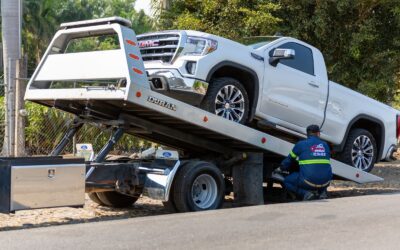
Car Repossession Rights by State: Title Loans and Car Loans
Pick your state to see your car repossession rights: whether you get a chance to catch up first, notice before a sale, getting the car back, leftover money and whether you can owe more.
Have a Question About a Title Loan?
Tell us your situation and we will point you to your state's rules and the options worth comparing, including cheaper alternatives. We are an information site, not a lender.
Ask Us a QuestionImportant Disclosure
Auto Cash Title Loans is not a lender, does not broker loans, and does not make loan or credit decisions. This website does not constitute an offer or solicitation to lend. We may receive compensation from affiliate partners for referrals.
APR rates vary by state and lender. Typical APR for title loans ranges from 25% to 300%. Please review your loan terms carefully before accepting any offer.