
Lump Sum Title Loan Payoff: Tax Refund and Bonus Strategies
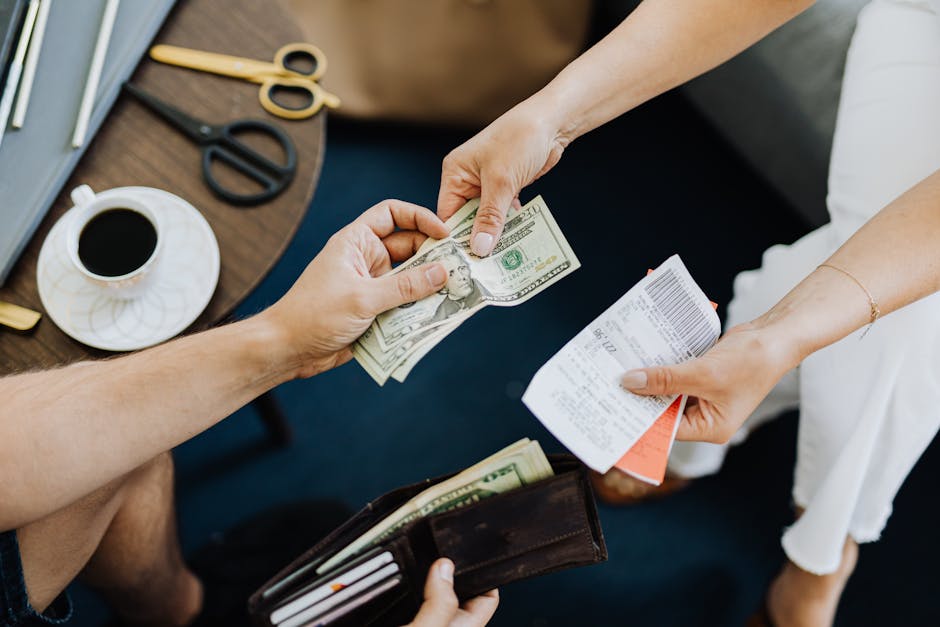
When you owe $1,500 on a title loan charging 200% APR, every extra day costs you money. A lump sum title loan payoff using a tax refund, work bonus, or saved funds can instantly eliminate that interest drain and return your vehicle title to your hands. Auto Cash Title Loans walks you through the smartest ways to plan and execute a lump sum payoff strategy.
Part of our Repayment & Repossession guide →
Why Lump Sum Payoffs Save Serious Money
Title loans are front-loaded with interest. On a $2,500 loan at 150% APR, you might pay roughly $312 in interest every single month. Paying off the full balance three months early could save you close to $940. The longer you carry the balance, the more the interest multiplies.
Unlike installment loans with fixed amortization schedules, many title loans charge simple interest on the remaining principal. That means every dollar you apply directly to the balance reduces future interest charges immediately.
Best Sources for a Lump Sum Payment
Several predictable cash windfalls can fund a lump sum title loan payoff:
- Tax refunds: The average IRS refund in 2025 was approximately $3,100, enough to eliminate most title loan balances entirely
- Work bonuses: Annual, quarterly, or holiday bonuses provide a natural payoff opportunity
- Side hustle earnings: Gig economy income saved over 2-3 months can accumulate quickly
- Insurance payouts: Settlements, rebates, or overpayment refunds
- Stimulus or government payments: Earned Income Tax Credits, child tax credits, or state rebate programs
The key is designating these funds for debt elimination before they arrive, so you are not tempted to spend them elsewhere.
Check for Prepayment Penalties First
Before sending a lump sum, review your loan agreement for prepayment penalty clauses. Some title loan contracts charge a fee, typically 2% to 5% of the remaining balance, for early payoff. States handle this differently. Virginia, for instance, prohibits prepayment penalties on title loans, while other states have no such protection.
Even with a penalty, paying off a high-APR title loan early usually saves money. Run the numbers: if your penalty is $75 but you would pay $600 more in interest over the remaining term, the early payoff still saves you $525.
How to Execute the Payoff
Follow these steps to ensure your lump sum payment is processed correctly:
- Request a payoff quote from your lender specifying the exact balance due on your intended payment date
- Ask whether the quote includes all accrued interest and fees through that date
- Make the payment via certified check, money order, or electronic transfer for a paper trail
- Get written confirmation that the loan is paid in full and the lien will be released
- Follow up within 30 days to confirm the lien has been removed from your vehicle title
Never rely on a verbal payoff amount. Interest accrues daily, so the balance changes with each passing day. Always get an updated figure within 24 hours of payment.
Partial Lump Sum Strategies
What if your windfall does not cover the entire balance? A partial lump sum still helps significantly. Applying $1,000 toward a $3,000 balance at 200% APR reduces your monthly interest charge from roughly $500 to about $333. That $167 monthly savings accelerates your payoff of the remaining balance.
When making a partial lump sum, explicitly instruct your lender to apply the payment to principal, not future payments. Some lenders default to advancing your due date rather than reducing the balance. Insist on principal reduction and verify it on your next statement.
Timing Your Payoff for Maximum Savings
Interest on most title loans accrues daily. Paying off your loan at the beginning of a billing cycle saves you an entire month of interest compared to paying at the end. If your tax refund arrives on March 5 and your payment is due March 25, do not wait. Pay immediately and save those 20 days of interest charges.
Similarly, if you receive a work bonus in December, resist the urge to wait until January. At 200% APR on a $2,000 balance, one month of delay costs you approximately $333 in interest.
After the Payoff: Protect Yourself
Once you have paid off your title loan, take these steps to confirm everything is finalized. Obtain a lien release letter from the lender. Contact your state DMV to verify the lien has been cleared from the title. Keep all payoff documentation for at least three years in case of disputes.
Most importantly, redirect the money you were spending on title loan payments into an emergency fund. Even $100 per month builds a $1,200 cushion in a year, potentially preventing the need for another high-cost loan in the future.
Disclaimer: Auto Cash Title Loans is an informational website and is not a lender. We do not make loans, credit decisions, or broker loans. Information provided is for general educational purposes only and should not be considered financial advice. Title loan terms, rates, and availability vary by state and lender. Always review your state’s regulations and consult with a licensed financial professional before making borrowing decisions. APR for title loans typically ranges from 100% to 300% or higher.
Important Disclosure
Auto Cash Title Loans is not a lender, does not broker loans, and does not make loan or credit decisions. This website does not constitute an offer or solicitation to lend. We may receive compensation from affiliate partners for referrals.
APR rates vary by state and lender. Typical APR for title loans ranges from 25% to 300%. Please review your loan terms carefully before accepting any offer.

Related Articles

LoanMax Login: Account Access, Payments and Payoff Guide
Where the official LoanMax login and payment page is, how LoanMax says you can pay, how to pay off early…

LoanMart Login: Customer Portal, Payments and Payoff Letter Guide
How to reach the official LoanMart customer login, the ways LoanMart says you can pay, how to get a 10-day…

TitleMax Locations: How to Find a Store and What to Check Before You Go
TitleMax locations: how to use the official store locator, which states it lists, what to bring, and how to check…