
Title Loan Starter Interrupt Devices: How Kill Switches Work and Your Rights
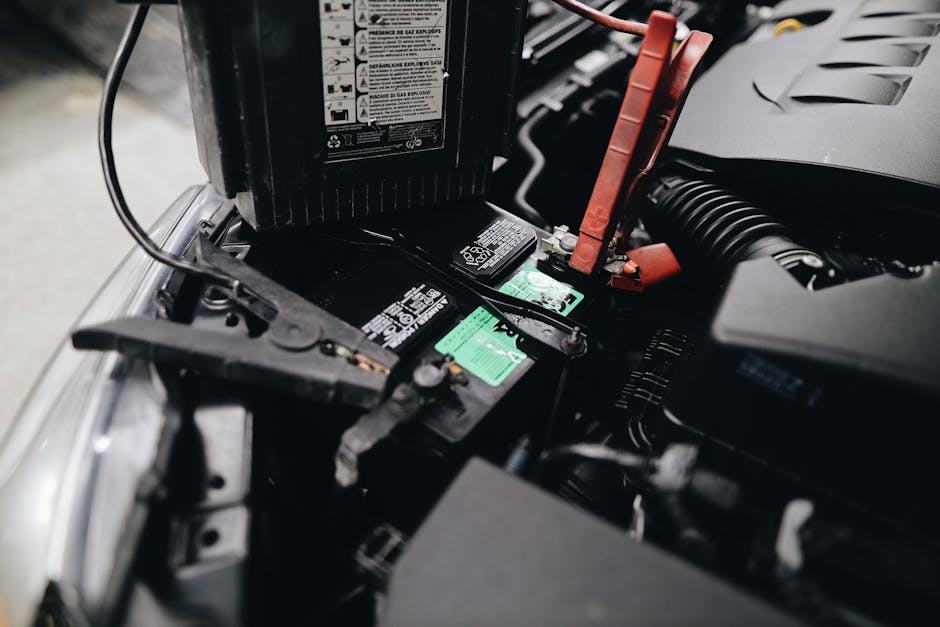
You turn the key or press the start button, and nothing happens. The battery is fine; the lender has disabled the car. A title loan starter interrupt device, often called a kill switch, gives a lender the ability to stop your vehicle from starting if you fall behind on payments. In this guide from Auto Cash Title Loans, we explain how these devices work, when they can be used, the legal and safety issues they raise, and what to do if your car will not start.
Part of our Borrower Rights guide →
How starter interrupt devices work
A starter interrupt device is a small unit wired into the vehicle’s starting circuit. When the lender activates it, the device blocks the signal needed to start the engine. The car stays disabled until the lender sends a code or signal to re-enable it, usually after you bring the account current.
Most units are paired with GPS tracking, so the lender knows where the car is as well as whether it can start. Many give warnings before activation, such as beeps when you start the car or a light on the unit. Some can also provide a short emergency start code. Features vary by device and lender, so get the details in writing.
These devices are generally designed to prevent the next start, not to shut off an engine that is already running. That distinction offers limited comfort if you are stranded at work or a store, or need the car for a medical appointment.
When can a lender disable your car?
Your contract controls the timing, within whatever limits state law sets. Some lenders activate the device soon after a missed due date; others wait for a set grace period or send notices first. Read the contract for:
- How many days past due before the device can be activated
- What warnings you will receive, and how far in advance
- Whether an emergency override code is available
- How quickly the car will be re-enabled after you pay
- Any fee for the device, activation or reactivation
If the contract is silent or vague on any of these, ask the lender to explain in writing before you sign.
Are kill switches legal?
In many states, starter interrupt devices are legal when they are disclosed and you agree to them in the loan contract. Some states have specific rules on notice, timing or use of these devices, and others rely on general consumer protection law. Since title lending itself is allowed in only about half of states, each with its own rules, check your state’s current regulations or contact your state financial regulator.
Federal regulators, including the CFPB, have identified certain uses of starter interrupt technology as potentially unfair, such as disabling a vehicle without adequate warning or after the borrower has paid. Using a device in a way that endangers your safety may also violate state law. If you think a device was used improperly, document what happened and file a complaint.
Safety and practical concerns
- Stranding: a disabled car can leave you somewhere unsafe, at night or in extreme weather.
- Work: missing shifts because the car will not start can cost income and make repayment harder.
- Emergencies: losing transportation during a health crisis can have serious consequences.
- Pressure: the threat of a disabled car can push borrowers to pay the lender ahead of rent, food or medicine.
- Malfunctions: poorly installed devices can cause electrical problems or fail to re-enable after payment.
Many devices are paired with tracking; our guide on the title loan GPS tracker covers the privacy side.
Your rights as a borrower
Even if you agreed to the device, you still have protections. The lender must follow its contract and any state rules on notice and timing. It should re-enable the car promptly once you have paid what the contract requires. After you pay off the loan, the lender should deactivate and remove the device or arrange removal. If a device malfunctions, is activated in violation of the contract, or is left active after payoff, you may have a claim. Our page on wrongful repossession explains related claims when a lender oversteps.
What to do if your car is disabled
- If you are in an unsafe situation, get to safety first and call for help.
- Contact the lender right away. Ask about the exact amount needed to re-enable the car and whether an emergency code is available.
- Record the date, time, location and circumstances, including any warnings you did or did not receive.
- If you have paid and the car is still disabled, send a written request with proof of payment.
- If the activation broke your contract or state law, file a complaint with your state financial regulator and the CFPB. Our guide on filing a state regulator complaint walks you through it.
- Talk to a consumer attorney or legal aid office if the disabling caused harm or the lender will not re-enable the car.
Do not try to bypass or remove the device yourself. Most contracts treat tampering as a default, which can lead to the full balance being demanded and repossession.
How to avoid kill switch loans
Not every title lender uses starter interrupt devices. Before you apply, ask directly whether one will be installed. Read every page of the contract for terms such as “starter interrupt,” “payment assurance device,” “remote disabling” or “vehicle disabling technology.” If you are not comfortable with it, walk away.
Title loans are expensive regardless: monthly fees of around 25% of the amount borrowed, about 300% APR, are common, and the CFPB found that about one in five single-payment title loan sequences ended in repossession. Credit union loans, including Payday Alternative Loans capped at 28% APR, payment plans with the creditor you owe and local assistance programs do not carry the risk of a disabled car. See our list of title loan alternatives and the borrower rights hub for more.
Frequently asked questions
Can a starter interrupt device shut off my car while I am driving?
These devices are generally designed to block the next start rather than stop a running engine. Ask the lender how its device works and get the answer in writing.
Do I get a warning before my car is disabled?
Many devices and contracts provide warnings, such as beeps or notices, but practices vary. Check your contract and your state’s rules.
Can the lender disable my car after I pay?
It should not. Once you pay what the contract requires, the lender should re-enable the car. If it does not, send a written request with proof of payment and file a complaint if needed.
Can I remove a kill switch myself?
Not while the loan is open. Tampering is usually a default. After payoff, ask the lender to remove or deactivate the device.
Are starter interrupt devices only used on title loans?
No. They are also used by some auto lenders and buy-here-pay-here dealers. The same questions about notice, timing and removal apply.
Disclaimer: Auto Cash Title Loans is an informational website and is not a lender. We do not make loans, credit decisions, or broker loans. Information provided is for general educational purposes only and should not be considered financial advice. Title loan terms, rates, and availability vary by state and lender. Always review your state’s regulations and consult with a licensed financial professional before making borrowing decisions. APR for title loans typically ranges from 100% to 300% or higher.
Important Disclosure
Auto Cash Title Loans is not a lender, does not broker loans, and does not make loan or credit decisions. This website does not constitute an offer or solicitation to lend. We may receive compensation from affiliate partners for referrals.
APR rates vary by state and lender. Typical APR for title loans ranges from 25% to 300%. Please review your loan terms carefully before accepting any offer.

Related Articles

LoanMax Login: Account Access, Payments and Payoff Guide
Where the official LoanMax login and payment page is, how LoanMax says you can pay, how to pay off early…

LoanMart Login: Customer Portal, Payments and Payoff Letter Guide
How to reach the official LoanMart customer login, the ways LoanMart says you can pay, how to get a 10-day…

TitleMax Locations: How to Find a Store and What to Check Before You Go
TitleMax locations: how to use the official store locator, which states it lists, what to bring, and how to check…