
Car Title Loan Places: Where to Apply and What to Expect

“Where can I actually get a title loan?” is one of the most common starting points for borrowers exploring vehicle-secured credit. The answer is broader than most people expect — car title loan places include national storefront chains, pawnshop title pledgers, online-only lenders, and even credit unions that offer auto-equity loans as a softer alternative. In this guide from Auto Cash Title Loans, we break down each lender type, what they typically offer, and how to decide which one fits your situation.
The Four Main Categories of Title Loan Places
Title-loan-style products come from four broadly different sources. Each has its own pricing structure, regulatory framework, and borrower experience.
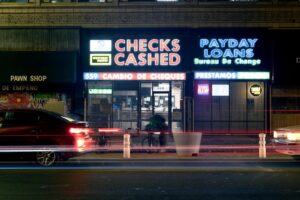
- Storefront title-lender chains: Companies like TitleMax, LoanMart, Check Into Cash, and Cash 1 operate physical retail locations and walk borrowers through the entire transaction in person.
- Pawnshop title pledgers: In Georgia and a handful of nearby states, the title-loan product is structured as a “title pawn” under pawnshop statutes rather than consumer-loan statutes.
- Online title lenders: Web-only platforms underwrite loans remotely using digital documents, photo inspections, and ACH funding.
- Credit unions and banks (auto equity): Mainstream lenders sometimes offer auto-equity loans — secured by a vehicle but priced at conventional installment-loan rates rather than triple-digit title-loan APRs.
Storefront Chains: Fast and Familiar
Storefront chains dominate the title-loan landscape in the South, Southwest, and Midwest. Their advantages: same-day funding, in-person underwriting, and immediate vehicle inspection. Their drawbacks: often the highest APRs in the market, sometimes ranging from 100 percent to over 300 percent depending on state caps.
Chain stores are licensed at the state level and must comply with each state’s title-loan or consumer-loan statute. Borrowers should look up the specific chain on their state regulator’s licensee database to confirm the storefront they intend to visit is in good standing.
Pawnshops That Hold Titles
Title pawn — most common in Georgia, Tennessee, Mississippi, and Alabama — operates under pawnshop statutes that treat the vehicle title like any other pawned item. The borrower pledges the title in exchange for cash and pays a monthly fee to redeem it. If the pledger defaults, the pawnshop can take possession of the vehicle without the same court processes that govern consumer loans.
Pawn-statute title loans tend to come with high effective rates — frequently exceeding 300 percent APR in Georgia, where consumer-loan rate caps don’t apply to pawn transactions. Borrowers in title-pawn states should review the Georgia, Tennessee, or Mississippi pawn statutes (and current rate provisions) before signing.
Online-Only Title Lenders
Online lenders have grown rapidly because they extend title loans into states where storefront chains have limited presence and because they accommodate borrowers who cannot or will not take time off work. The application typically involves:
- An online questionnaire covering vehicle, income, and personal details.
- Document upload — title photos, ID, pay stubs, insurance, and odometer photos.
- A photo or video inspection of the vehicle (sometimes via a third-party service).
- Electronic signing of the loan agreement.
- ACH funding within one to three business days.
Online lenders are still subject to state law where the borrower resides. Some states bar out-of-state online title lending entirely; others impose specific licensing requirements.
Credit Unions and Banks: The Lowest-Cost Option
For borrowers who qualify, credit unions and banks offer the cheapest path to vehicle-secured credit. An auto-equity loan from a credit union typically charges 8 percent to 15 percent APR, runs 24 to 60 months, and follows mainstream underwriting that considers credit score, income, and debt-to-income ratio.
Notable institutions worth checking include Navy Federal Credit Union, PenFed, and many regional and state-chartered credit unions. Banks like Wells Fargo, U.S. Bank, and regional players occasionally offer secured personal loans against vehicles. Approval is harder than with a title lender, but the APR can be ten to twenty times lower.
Comparing the Four Place Types
A quick side-by-side comparison helps frame the trade-offs:
- Storefront chains: Speed high, cost high, credit requirements low, footprint regional.
- Pawnshop title pledgers: Speed high, cost very high, credit requirements minimal, footprint narrow.
- Online lenders: Speed moderate, cost high, credit requirements low to moderate, footprint broad but state-restricted.
- Credit unions and banks: Speed slower, cost low, credit requirements moderate to high, footprint nationwide.
What All Title Loan Places Have in Common
Regardless of the lender type, every legitimate title-loan transaction shares some common elements:
- A signed loan agreement disclosing APR, finance charges, and payment schedule under the federal Truth in Lending Act.
- A lien filed against the vehicle title with the state DMV.
- A right of repossession upon default, subject to state law.
- Required licensing or registration with the state regulator.
If a lender refuses to disclose APR, asks for upfront fees before funding, or operates without state licensing, treat that as a red flag and walk away.
Choosing Among Title Loan Places
The right lender depends on your situation:
- If you have decent credit and time, start with credit unions for an auto-equity loan.
- If you need cash today and live in a storefront-heavy state, a chain may be fastest.
- If you live in a state with thin storefront coverage, online lenders fill the gap.
- If you’re in Georgia, Tennessee, Mississippi, or Alabama, weigh whether a pawn-structure or consumer-loan lender works better given your repayment plan.
Risks to Weigh Before Choosing Any Place
According to the Consumer Financial Protection Bureau, roughly 20 percent of title-loan borrowers lose their vehicle to repossession, and most borrowers refinance the original loan multiple times. The cheapest car title loan places are not always the fastest — and the fastest are rarely the cheapest. Calculate the total repayment cost across the loan term before choosing where to apply, not just the cash you’ll walk out with on day one.
Bottom Line
“Where to apply” matters as much as “whether to apply.” Each lender type carries a different price tag, regulatory regime, and risk profile. Comparing two or three options across categories — even if you ultimately choose a storefront — gives you leverage and a clearer view of what you’re signing.
Disclaimer: Auto Cash Title Loans is an informational website and is not a lender. We do not make loans, credit decisions, or broker loans. Information provided is for general educational purposes only and should not be considered financial advice. Title loan terms, rates, and availability vary by state and lender. Always review your state’s regulations and consult with a licensed financial professional before making borrowing decisions. APR for title loans typically ranges from 100% to 300% or higher.
Important Disclosure
Auto Cash Title Loans is not a lender, does not broker loans, and does not make loan or credit decisions. This website does not constitute an offer or solicitation to lend. We may receive compensation from affiliate partners for referrals.
APR rates vary by state and lender. Typical APR for title loans ranges from 25% to 300%. Please review your loan terms carefully before accepting any offer.
Related Articles

Loan Cheetah vs TitleMax: Online vs Storefront Title Loan Lender Comparison
Loan Cheetah vs TitleMax: online-only across 10 states vs storefront across 13+ states. Compare application speed, state coverage, and rates.
Speedy Cash vs Check Into Cash: Title Loan Lender Comparison Guide
Speedy Cash vs Check Into Cash both offer title loans across about 25-28 states. Compare state coverage, online vs storefront…

LoanMart vs Cash 1 Title Loans: Online vs Storefront Lender Comparison
LoanMart vs Cash 1 comparison: LoanMart is an online lender across 9 states, Cash 1 is Arizona-only storefront. Learn which…