
Title Loan on ATV or UTV: Off-Road Vehicle Title Rules and Lender Options
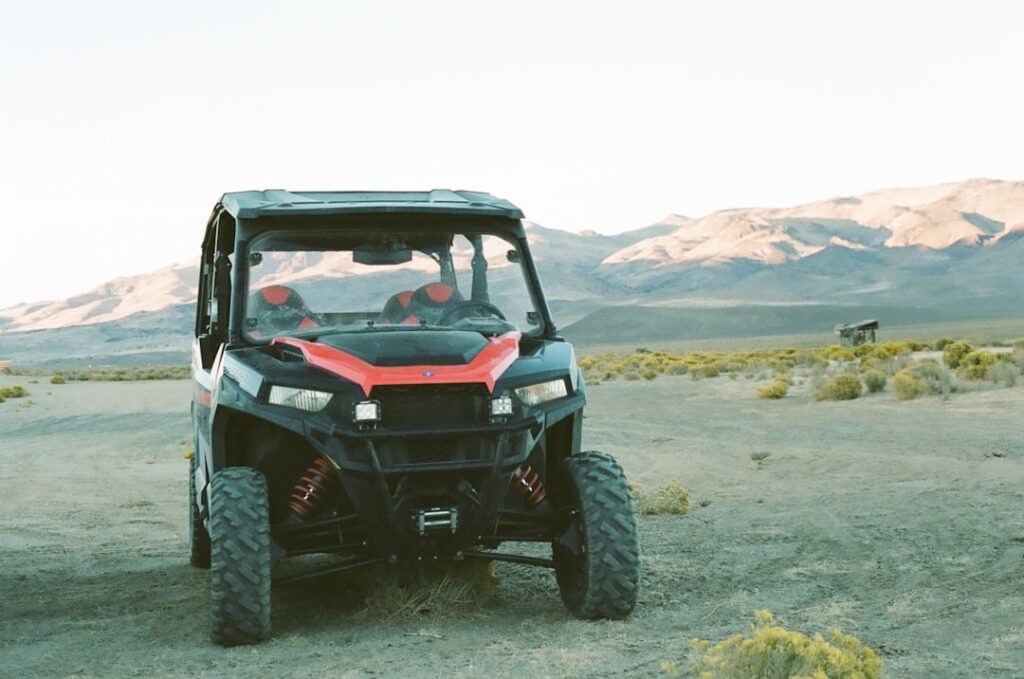
Powersports owners often discover their $15,000 four-wheeler can quietly do double-duty as collateral when emergencies hit, but the path is bumpier than for a standard car. A title loan on ATV or UTV works only when state law issues a title for the vehicle and the lender accepts off-road collateral. In this guide from Auto Cash Title Loans, we explain which states title ATVs and which issue only manufacturer statements, how lenders value powersports vehicles, and the contract clauses that often catch recreational-use borrowers off guard.
Direct Answer for ATV and UTV Owners
Yes, if your state issued a title in your name and the lender accepts powersports collateral. Many ATVs are sold with only a manufacturer’s statement of origin (MSO), not a title, depending on the state. Without a state-issued title, a title loan is generally not possible.
Loan amounts and LTVs run lower than passenger cars. A typical title lender that accepts ATVs lends 25% to 40% of NADA powersports retail value rather than the 40% to 60% common for daily drivers.
State Title Rules for Off-Road Vehicles
State law on ATV titling is inconsistent. Some states issue full vehicle titles with VIN registration. Others issue only off-road registration without a title. A few rely entirely on the MSO from the dealer.
- Title-issuing states: Texas, California, Florida, and many others issue ATV titles, sometimes with an “off-highway” designation.
- Registration-only states: Some states require registration for trail use but do not issue a title document.
- MSO-only states: A handful of states never issued titles for off-road vehicles, leaving the MSO as the only ownership document.
- Dual-purpose: Street-legal UTVs in some states receive standard motor vehicle titles, which simplifies title loan eligibility.
Always verify your state’s current rules at the DMV or department of natural resources before assuming you can borrow against an ATV.
How Lenders Value ATVs and UTVs
Powersports valuation uses different guides than passenger cars. NADA RV and Powersports is the most widely accepted, with separate sections for ATVs, UTVs, side-by-sides, and snowmobiles.
For a title loan on atv utv, expect the lender to use the trade-in or low-retail value rather than dealer retail. Aftermarket accessories like winches, plows, and lift kits sometimes add value, but lenders apply heavy discounts because resale demand is uncertain.
Documentation Requirements at Application
Bring more documentation than the lender requests. ATVs are valued by trim level, hour meter reading, and condition, which means photos and service records can move the appraised value significantly.
- State-issued title in your name with no liens.
- Current registration if your state requires it.
- Government-issued photo ID.
- Proof of insurance, if your state mandates ATV coverage.
- Recent photos showing condition, hour meter, and accessories.
- Service records or maintenance log.
Insurance Considerations for ATVs
Most states do not require insurance for trail-only ATVs, but lenders typically require coverage as a condition of the loan. Comprehensive and collision with the lender as loss payee is the standard requirement.
Specialty powersports insurers like Progressive, Dairyland, and Markel write ATV policies with reasonable premiums. Confirm coverage limits, deductible amounts, and lien-payee endorsements before closing on the loan. Lapse of insurance is a common default trigger written into title loan contracts.
Recreational-Use Exclusions in Title Loan Contracts
Some title loan contracts include “recreational use” or “off-road use” exclusions that limit how you can use the collateral while the loan is outstanding. Riding the ATV in a manner that violates the contract can technically constitute default.
Read the use clauses carefully. Common restrictions include prohibitions on competitive racing, commercial use, and out-of-state operation without notice. These clauses are often standard boilerplate, but enforcing them after a default gives the lender additional leverage.
Risks Unique to ATV Title Loans
The biggest risk is value depreciation. ATVs lose value faster than cars, especially after the first three years. A loan based on today’s value may exceed the resale value by the time you finish paying.
Theft is another concern. ATVs are stolen at higher rates than cars, and lenders may require GPS tracking or secured storage. Confirm whether your homeowner’s insurance covers the ATV when stored at home, and whether the title loan contract requires specific storage conditions.
Alternatives for Off-Road Vehicle Owners
Before pledging your ATV, consider lower-cost options. Many manufacturers offer financing through Polaris Financial, Yamaha Motor Finance, and similar captive lenders that may include hardship deferrals on existing notes.
Personal loans from credit unions, secured loans against a passenger vehicle, and home equity lines of credit (where applicable) typically run a fraction of title loan APRs. A title loan on atv utv should be a last resort, not the first phone call when cash is tight.
Disclaimer: Auto Cash Title Loans is an informational website and is not a lender. We do not make loans, credit decisions, or broker loans. Information provided is for general educational purposes only and should not be considered financial advice. Title loan terms, rates, and availability vary by state and lender. Always review your state’s regulations and consult with a licensed financial professional before making borrowing decisions. APR for title loans typically ranges from 100% to 300% or higher.
Important Disclosure
Auto Cash Title Loans is not a lender, does not broker loans, and does not make loan or credit decisions. This website does not constitute an offer or solicitation to lend. We may receive compensation from affiliate partners for referrals.
APR rates vary by state and lender. Typical APR for title loans ranges from 25% to 300%. Please review your loan terms carefully before accepting any offer.
Related Articles

Loan Cheetah vs TitleMax: Online vs Storefront Title Loan Lender Comparison
Loan Cheetah vs TitleMax: online-only across 10 states vs storefront across 13+ states. Compare application speed, state coverage, and rates.

Speedy Cash vs Check Into Cash: Title Loan Lender Comparison Guide
Speedy Cash vs Check Into Cash both offer title loans across about 25-28 states. Compare state coverage, online vs storefront…

LoanMart vs Cash 1 Title Loans: Online vs Storefront Lender Comparison
LoanMart vs Cash 1 comparison: LoanMart is an online lender across 9 states, Cash 1 is Arizona-only storefront. Learn which…