
Title Loan Vehicle Inspection: What Lenders Check
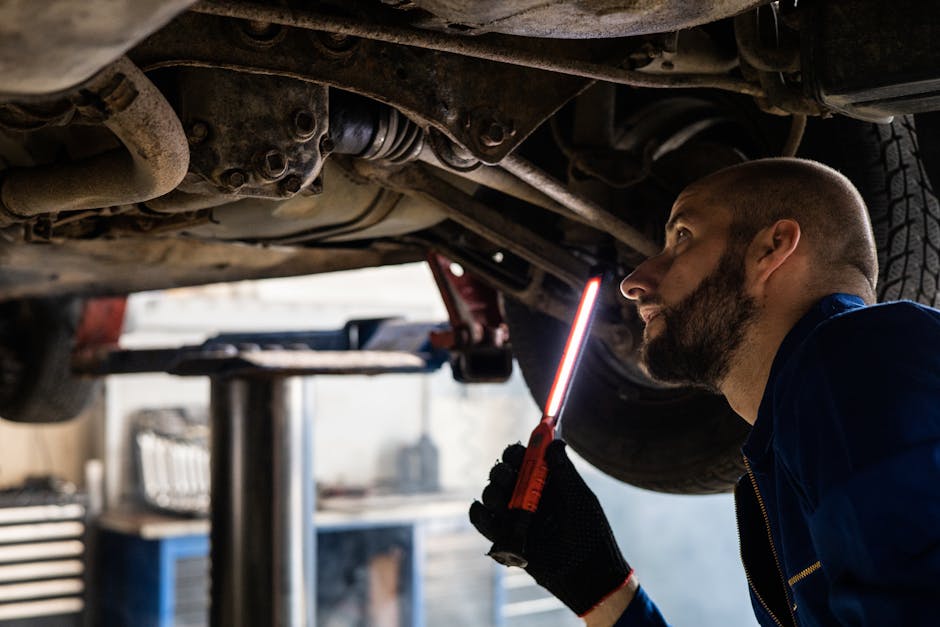
The few minutes a lender spends walking around your car can shape how much money you are offered. A title loan vehicle inspection is not a full mechanical checkup; it is a quick review of condition, mileage and paperwork that helps the lender estimate what the car would sell for if it ever had to repossess it. Knowing what lenders look at lets you prepare, avoid delays and judge whether the offer is reasonable. This guide from Auto Cash Title Loans covers the full checklist.
Part of our Title Loan Requirements guide →
Why lenders inspect your vehicle
Your car is the collateral for the loan. If you default, the lender may repossess and sell it, often at auction. The inspection helps it confirm three things: the car exists and matches the title, it is in the condition you described, and it is worth enough to support the loan. Lenders typically offer a portion of the car’s wholesale value, so condition and mileage directly affect the amount.
In-person inspections at a store often take 10 to 30 minutes. Many online lenders ask for photos or a video instead, and some may skip a physical inspection in certain cases. Our guide to online title loans without an inspection explains how that works and what trade-offs to expect.
Exterior checklist
- Body panels: dents, scratches, rust and signs of past collision repair
- Paint: fading, peeling or mismatched panels
- Glass: windshield cracks and chips
- Lights: headlights, taillights, brake lights and turn signals
- Tires: tread depth, wear patterns and whether they match
- Bumpers and trim: missing, cracked or loose pieces
Cosmetic wear lowers value somewhat, but functional problems, such as a broken light or a cracked windshield, may matter more because they affect safety and resale.
Interior checklist
- Seats and upholstery: tears, stains and heavy wear
- Dashboard: cracks and warning lights
- Controls: air conditioning, heat, power windows, locks and mirrors
- Carpet and headliner: stains, sagging or water damage
- Odors: smoke, pet or mildew smells
- Odometer: the reading is recorded and may be compared with vehicle history
Strong odors and signs of water damage can lower an appraisal more than many people expect, because they are expensive to fix and hurt resale value.
Basic mechanical checks
Title lenders usually do not put the car on a lift, but they often check that it runs and drives normally:
- Does the engine start easily and idle smoothly?
- Are the check engine, ABS, airbag or other warning lights on?
- Does the transmission shift into gear without trouble?
- Do the brakes work without grinding or pulling?
A check engine light is one of the most common issues. Some causes are minor, such as a loose gas cap, and others are serious. If you can find and fix a simple cause before your appointment, it may be worth it; do not spend heavily on repairs just for the inspection.
Paperwork and identity checks
The lender also verifies the vehicle against your documents:
- The VIN on the dashboard and door-jamb label matches the title
- The title is in your name and generally free of other liens
- Your ID matches the name on the title
- Registration is current, if the lender requires it
- The title has no brand, such as salvage or rebuilt, that the lender will not accept
Any mismatch, such as a VIN that does not line up or a title in someone else’s name, will usually stop the process until it is resolved. Our title loan documents checklist explains how to fix common paperwork problems before you go.
How the inspection turns into an offer
After the inspection, the lender typically looks up a wholesale or auction value using pricing guides, adjusts it for the condition and mileage it observed, and offers a percentage of that figure. State law may cap the loan amount, and your income may also limit it. For a closer look at how valuation works, see our guide on how a title loan appraisal works. Ask the lender what value it used and how it arrived at the offer.
How to prepare for a strong inspection
- Wash the exterior and vacuum the interior the day before.
- Remove personal items from the cabin and trunk.
- Deal with strong odors where you can.
- Check that all lights, signals and wipers work.
- Set tire pressure to the recommended level.
- Fix any easy causes of warning lights, such as a loose gas cap.
- Bring your title, ID, registration, insurance and income documents.
- For online inspections, take clear, well-lit photos from every angle, plus the odometer and VIN.
These steps cost little but help the car show at its best and keep the appointment moving.
Your rights during the inspection
You are entitled to understand how the lender is valuing your property. Stay with the car while it is inspected, and ask the inspector to point out any problems that will lower the offer. If the lender takes photos, ask what they will be used for. If you disagree with the valuation, you can look up your car’s value yourself in a pricing guide and ask the lender to explain the gap, or take the car to another licensed lender. An inspection does not commit you to anything; you are not obligated to borrow until you sign the loan agreement.
What the inspection does not tell you
The inspection serves the lender’s interest. It estimates resale value; it is not a vehicle health report for you, and it says nothing about whether the loan is a good deal. Some practical points to keep in mind:
- A higher appraisal means a bigger possible loan, not a better one. Borrow only what you need.
- The cost of the loan comes from the APR and fees, which commonly run from about 100% to 300% APR or more.
- CFPB research found about one in five single-payment title loan sequences ends in repossession.
Before you sign, compare the full cost using our guide to title loan interest rates, and browse our vehicles and titles hub for questions about older cars, branded titles and other vehicle types.
Frequently asked questions
How long does a title loan vehicle inspection take?
In-person inspections often take 10 to 30 minutes. Photo or video inspections for online loans depend on how quickly you can send clear images and how fast the lender reviews them.
Will a lender test drive my car?
Some lenders do a short drive or simply start the engine and check gears and brakes. Practices vary, so ask what to expect.
Can my car fail a title loan inspection?
Yes. Major damage, a car that does not run, a VIN mismatch, or a title brand the lender does not accept can lead to a lower offer or a decline.
Does high mileage disqualify my car?
Not necessarily. High mileage lowers the value and therefore the possible loan amount, but many lenders still consider older, high-mileage cars if they run and have some equity.
Disclaimer: Auto Cash Title Loans is an informational website and is not a lender. We do not make loans, credit decisions, or broker loans. Information provided is for general educational purposes only and should not be considered financial advice. Title loan terms, rates, and availability vary by state and lender. Always review your state’s regulations and consult with a licensed financial professional before making borrowing decisions. APR for title loans typically ranges from 100% to 300% or higher.
Important Disclosure
Auto Cash Title Loans is not a lender, does not broker loans, and does not make loan or credit decisions. This website does not constitute an offer or solicitation to lend. We may receive compensation from affiliate partners for referrals.
APR rates vary by state and lender. Typical APR for title loans ranges from 25% to 300%. Please review your loan terms carefully before accepting any offer.

Related Articles

LoanMax Login: Account Access, Payments and Payoff Guide
Where the official LoanMax login and payment page is, how LoanMax says you can pay, how to pay off early…

LoanMart Login: Customer Portal, Payments and Payoff Letter Guide
How to reach the official LoanMart customer login, the ways LoanMart says you can pay, how to get a 10-day…

TitleMax Locations: How to Find a Store and What to Check Before You Go
TitleMax locations: how to use the official store locator, which states it lists, what to bring, and how to check…