Title Loans by Vehicle Type & Title Status
Which vehicles lenders accept, from motorcycles, RVs and boats to commercial trucks, and what happens with financed, salvage or rebuilt titles.

Cars are the most common collateral for title loans, but they’re not the only option, and not every car qualifies. This guide covers which vehicles lenders accept, how vehicle type and condition affect the amount you can borrow, and what happens when the title itself is complicated: financed, leased, salvage or rebuilt.
Motorcycles, RVs, boats and trailers
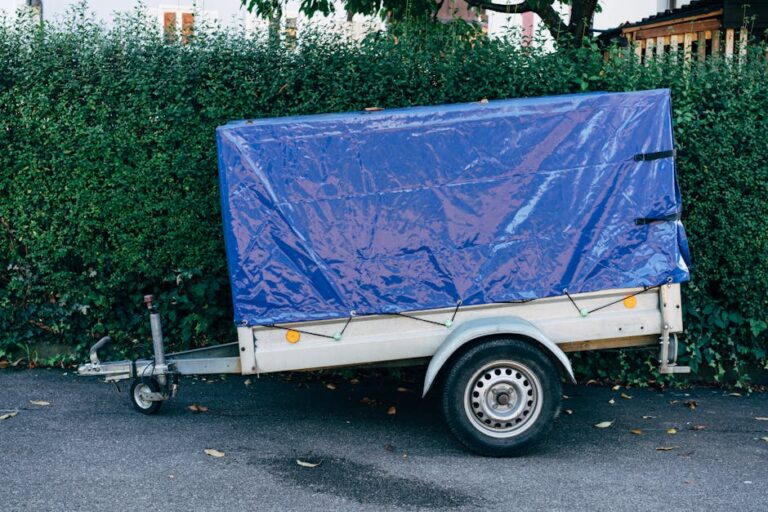
Many lenders accept motorcycles, and some take RVs, campers, boats, trailers and off-road vehicles, as long as the vehicle has a title in your name. Boats and personal watercraft are titled differently from state to state, so check whether your state issues a title for them. Values swing with seasons and niche resale markets, so offers vary widely between lenders (motorcycle title loans, RV title loans, boat title loans, trailer title loans).
Trucks and commercial vehicles
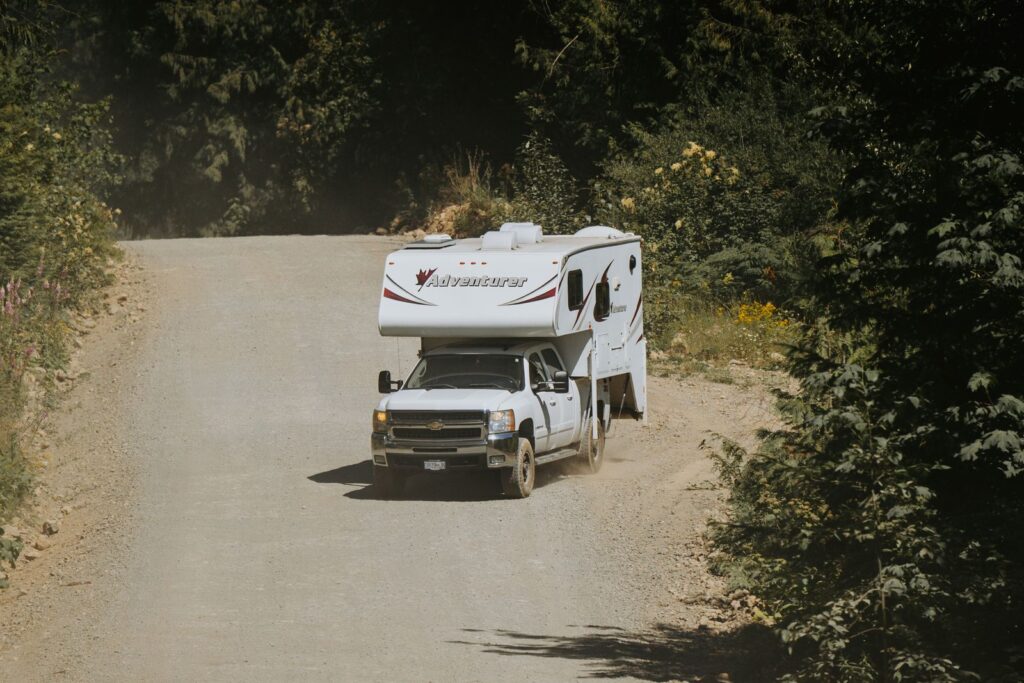
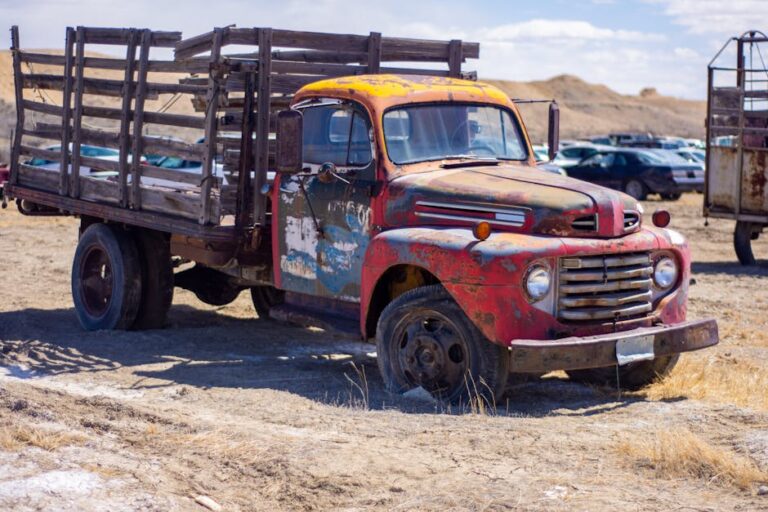
Pickups are treated like cars. Semi trucks and other commercial vehicles can support larger loans, but specialist lenders may ask for business documents. If the vehicle is titled to an LLC or company, the business usually has to be the borrower (semi truck title loans, business-owned vehicles). Before you borrow against a work vehicle, think about what happens to your income if it’s repossessed. That risk is highest for rideshare and delivery drivers (rideshare vehicles).
Older, high-mileage, classic and electric vehicles
Many lenders have age or mileage cutoffs, and older vehicles may qualify only for small loans because their wholesale value is low (title loans on older cars). Classic and collector cars are the exception: specialist appraisals can support higher amounts (classic car title loans). Electric vehicles are accepted by many lenders, though fast depreciation and battery condition can lower offers (EV title loans). Any vehicle keeps losing value while you carry the loan, which matters if it’s ever repossessed and sold (depreciation and title loans).

Financed, leased, salvage and other title problems
- Still paying off the car? Some lenders will pay off your existing loan and take first lien position, or lend in second position if there’s enough equity, but second-lien loans carry extra risk (financed cars, second-lien title loans).
- Leased vehicles generally can’t be used. The leasing company owns the title (why leases don’t qualify).
- Salvage and rebuilt titles are accepted by some lenders at a reduced valuation; a rebuilt title that has passed state inspection is easier to borrow against than a salvage title (salvage title loans, rebuilt titles).
- Title in someone else’s name, or a joint title: every owner on the title usually has to agree and sign. See types of car titles explained.
Whatever you drive, check the basic requirements and estimate your loan with our calculator before you apply.
All guides in this section
Motorcycles, RVs, boats & trailers

How They Work

How to Borrow Against Your Recreational Vehicle

Using Your Watercraft as Collateral
How to Borrow Against Your Trailer Title

Off-Road Vehicle Title Rules and Lender Options

Personal Watercraft Title Rules and Specialty Lenders
Trucks & commercial vehicles
How to Use Your Truck as Collateral

Commercial Vehicle Lending Guide

Borrowing Against Business Vehicles and Equipment

Title Loan on Business Vehicle
Commercial Title Rules and LLC Ownership Issues

Title Loans for Rideshare Drivers
Can You Use an Uber or Lyft Car as Collateral?
Older, classic & electric vehicles


How Vintage Vehicle Values Affect Your Loan

Title Loans on Electric Vehicles
What Lenders Accept
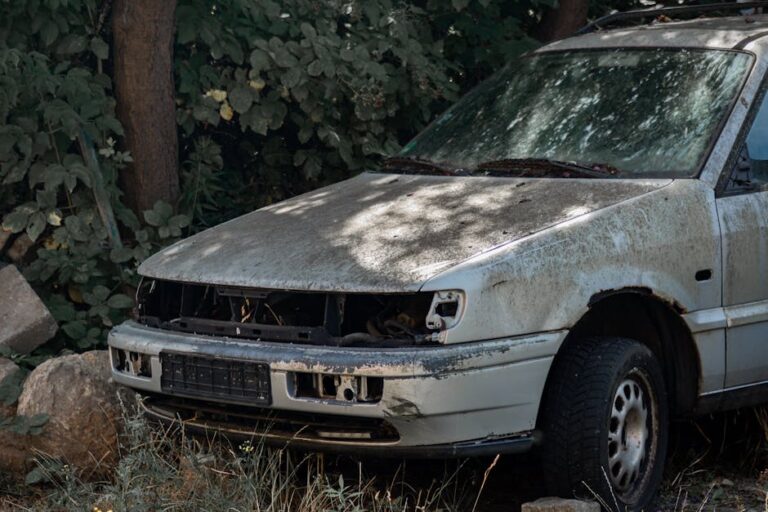
Vehicle Depreciation and Title Loans
How Time Affects Your Equity
Financed, salvage & problem titles

Can You Get One If You Still Owe?
How They Work and Why They Are Risky
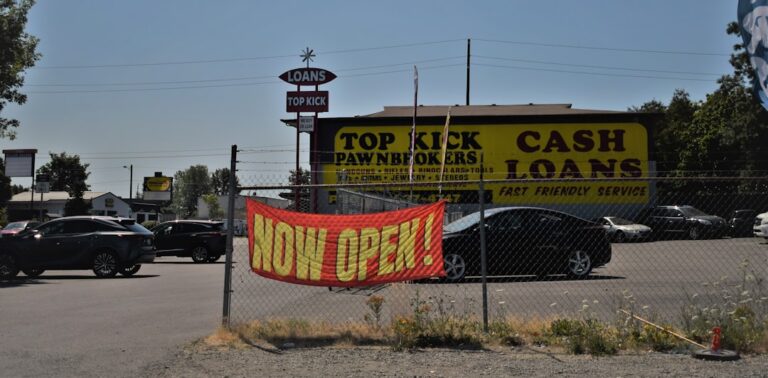
Can You Get a Loan on a Salvage Title Vehicle?
Lender Acceptance and Valuation Rules


Clean, Salvage, Rebuilt, Branded, and More Explained
Have a Question About a Title Loan?
Tell us your situation and we will point you to your state's rules and the options worth comparing, including cheaper alternatives. We are an information site, not a lender.
Ask Us a QuestionImportant Disclosure
Auto Cash Title Loans is not a lender, does not broker loans, and does not make loan or credit decisions. This website does not constitute an offer or solicitation to lend. We may receive compensation from affiliate partners for referrals.
APR rates vary by state and lender. Typical APR for title loans ranges from 25% to 300%. Please review your loan terms carefully before accepting any offer.