
Title Loans Flint MI: Michigan MCL 438.31 Rules and Genesee County Borrower Guide
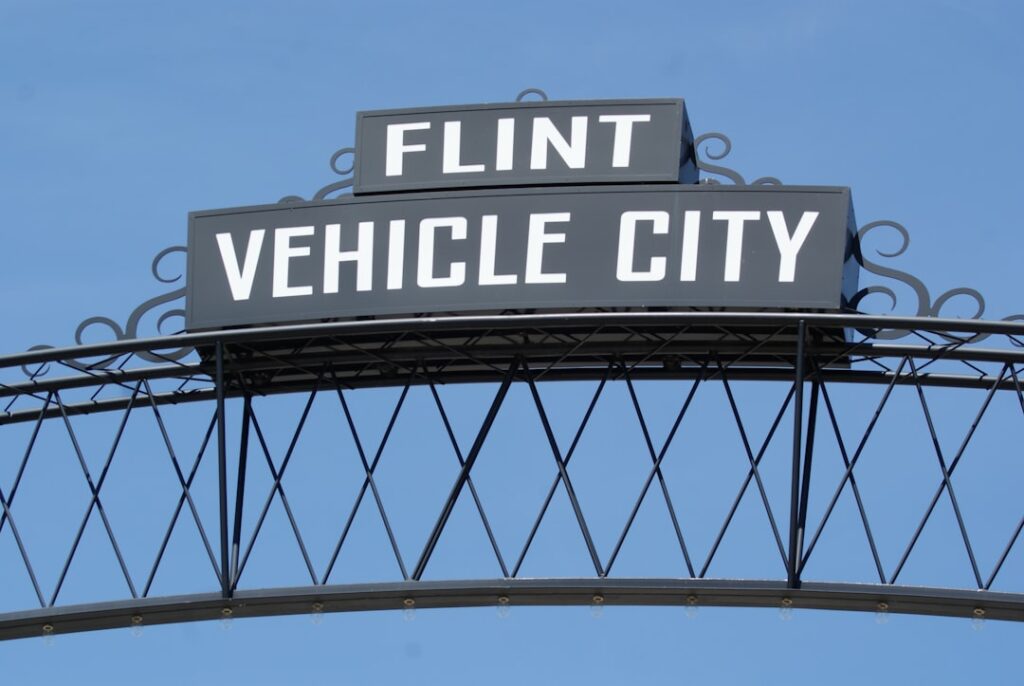
Flint’s story over the past two decades has been one of factory closures, the water crisis, and a slow rebuilding of community institutions. Median household income runs well below the Michigan and national averages, and many residents face long-term financial vulnerability. When a car repair, a utility shut-off, or a medical bill arrives, residents searching for title loans Flint MI are often making a decision that compounds an already strained financial picture. This guide from Auto Cash Title Loans walks through Michigan’s lending rules, Genesee County’s local resources, and the real cost trade-offs to consider before borrowing.
The Genesee County Reality
Genesee County has roughly 405,000 residents, with Flint at the center. The county lost much of its automotive manufacturing base over decades — General Motors employment in the city peaked at 80,000-plus and has since contracted to a fraction of that. Median household income in the City of Flint sits well below the Michigan state median, and poverty rates run roughly double the statewide level.
That economic reality drives demand for short-term credit. It also makes financial vulnerability to high-APR products more pronounced — borrowers with thin savings cushions are most likely to fall into rollover cycles when finance charges consume disposable income.
Michigan’s Lending Framework
Michigan regulates consumer credit through MCL 438.31 (the general usury statute capping rates at 7% per year unless contracted otherwise) and the Regulatory Loan Act (which licenses consumer-loan companies and sets tiered rate maximums). The Michigan Department of Insurance and Financial Services (DIFS) administers licensing.
The framework constrains traditional title-loan economics. Michigan-licensed installment lenders typically offer longer-term products at APRs lower than the 200%+ rates seen in Tennessee or Missouri, though still high relative to credit-union signature loans. Vehicle title may serve as collateral on certain installment loans.
What Flint Borrowers Actually Find
Walking the commercial corridors of Flint — South Saginaw, Dort Highway, Pierson Road, Corunna Road — you will find:
- Licensed installment-lender storefronts offering 6-to-24-month consumer loans
- Pawnshops, some offering vehicle-title pawn arrangements
- Online lenders advertising title loans — verify Michigan licensure before engaging
- Several credit unions, including the historically strong Genesee County credit-union sector
- Check-cashing storefronts (cashing services, not title loans)
If a Flint storefront markets itself as a “title loan” provider, ask to see its Michigan DIFS license number and the federal Truth in Lending disclosure before signing.
Why the Vulnerability Matters
Title loans hit hardest in communities where households cannot easily absorb a finance charge in a single pay cycle. Flint’s economic profile means a $300 monthly title-loan finance charge can consume an entire week’s pay for a working family. That dynamic produces the rollover trap — paying interest month after month while the principal does not move — and ultimately repossession when the borrower cannot keep up.
The CFPB and academic research consistently show repossession rates on title loans concentrate in lower-income markets. Knowing that going in is not a reason to avoid borrowing entirely; it is a reason to slow down and exhaust alternatives first.
Repossession in a Transit-Limited City
Flint MTA covers basic city routes, but employment in the metro often requires commuting to Grand Blanc, Burton, Fenton, or further-flung jobs that transit cannot reach. A repossessed vehicle can take down a paycheck within a single shift cycle, and a paycheck loss compounds quickly into a housing crisis.
Michigan law requires lenders to provide written notice before repossession and to apply any sale surplus to your benefit. Read the default trigger in any contract carefully — typically one or two missed payments — and understand the right-to-cure window before signing.
Genesee County’s Strong Safety Net
Despite the post-industrial economic strain, Flint and Genesee County have built a notably robust nonprofit and community-services network. Before signing any high-cost loan, work through these resources:
- Genesee County Community Action Resource Department (GCCARD) — LIHEAP, emergency rent, utility assistance, and case management
- Catholic Charities of Shiawassee and Genesee Counties — emergency financial assistance
- Salvation Army of Flint — emergency rent, utilities, and food assistance
- Crossover Outreach, Carriage Town Ministries, and other community-rooted nonprofits
- Michigan 211 — screened referrals for the social safety net
- UAW Region 1D emergency-assistance funds for active and retired auto workers
- Hurley Medical Center, McLaren Flint, and Genesys Hurley charity-care programs for medical bills
Credit Union Options
Genesee County has historically had strong credit-union penetration, much of it tied to the GM and UAW workforce:
- Financial Plus Credit Union — formerly Genesee Co-Op, headquartered in Flint
- ELGA Credit Union — strong community presence
- Dort Financial Credit Union — formerly Dort Federal, with deep Flint roots
- Security Credit Union — community charter serving the metro
- Frankenmuth Credit Union — broader Michigan presence with Flint-area branches
Most offer signature personal loans, Payday Alternative Loans (PALs) capped at 28% APR, and small emergency lines of credit. The cost difference versus a title loan is often equal to several months of grocery bills.
If You Proceed with a Title Loan
If you decide a title-secured loan is your best available tool, work only with Michigan-DIFS-licensed lenders. Bring:
- Government-issued photo ID
- Michigan vehicle title in your legal name with no existing lien
- Proof of current Michigan auto insurance
- Proof of income — pay stubs, bank statements, or benefits letters
- Proof of Flint or Genesee County residence
- Two to four personal references with phone numbers
Questions Before You Sign
Treat the contract review as a deliberate exercise. Confirm the lender’s Michigan DIFS license number on the DIFS website. Read the APR, total finance charge, total of payments, prepayment policy, default trigger, and repossession process on the federal Truth in Lending disclosure. Decline any optional add-on products. Walking out unsigned is always your right, and a reputable lender will not pressure you to commit on the first visit.
The Bottom Line
Title loans Flint MI exist within Michigan’s constrained lending framework, but the deeper issue is that Flint’s economic profile makes high-cost credit especially dangerous. Genesee County offers an unusually deep network of credit unions, community-action agencies, hospital charity-care programs, and UAW-rooted assistance funds. Use those tools first. If you proceed with a title loan, verify the Michigan DIFS license, treat the federal Truth in Lending disclosure as your reality check, and build a repayment plan that retires principal rather than rolling interest.
Disclaimer: Auto Cash Title Loans is an informational website and is not a lender. We do not make loans, credit decisions, or broker loans. Information provided is for general educational purposes only and should not be considered financial advice. Title loan terms, rates, and availability vary by state and lender. Always review your state’s regulations and consult with a licensed financial professional before making borrowing decisions. APR for title loans typically ranges from 100% to 300% or higher.
Important Disclosure
Auto Cash Title Loans is not a lender, does not broker loans, and does not make loan or credit decisions. This website does not constitute an offer or solicitation to lend. We may receive compensation from affiliate partners for referrals.
APR rates vary by state and lender. Typical APR for title loans ranges from 25% to 300%. Please review your loan terms carefully before accepting any offer.
Related Articles

Loan Cheetah vs TitleMax: Online vs Storefront Title Loan Lender Comparison
Loan Cheetah vs TitleMax: online-only across 10 states vs storefront across 13+ states. Compare application speed, state coverage, and rates.
Speedy Cash vs Check Into Cash: Title Loan Lender Comparison Guide
Speedy Cash vs Check Into Cash both offer title loans across about 25-28 states. Compare state coverage, online vs storefront…

LoanMart vs Cash 1 Title Loans: Online vs Storefront Lender Comparison
LoanMart vs Cash 1 comparison: LoanMart is an online lender across 9 states, Cash 1 is Arizona-only storefront. Learn which…